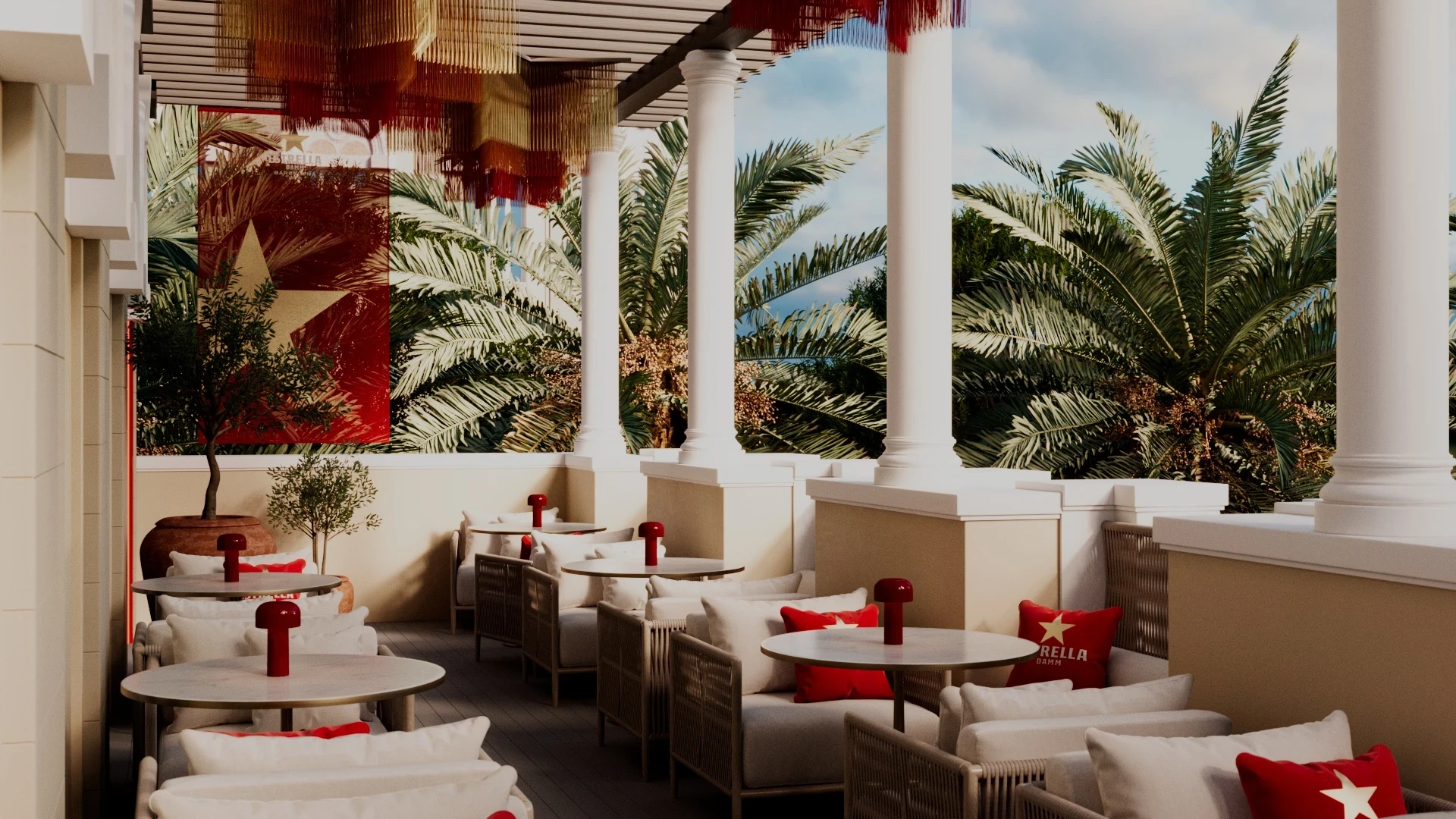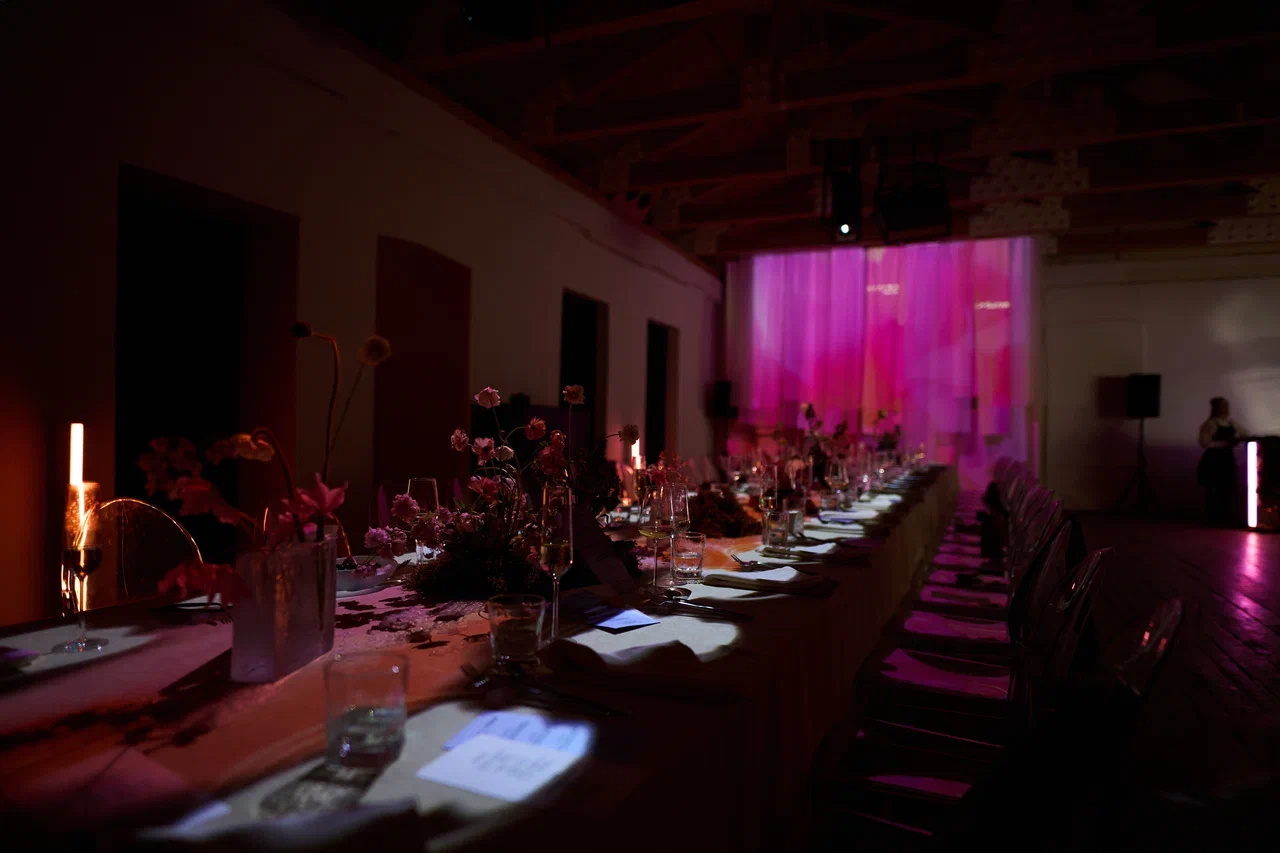
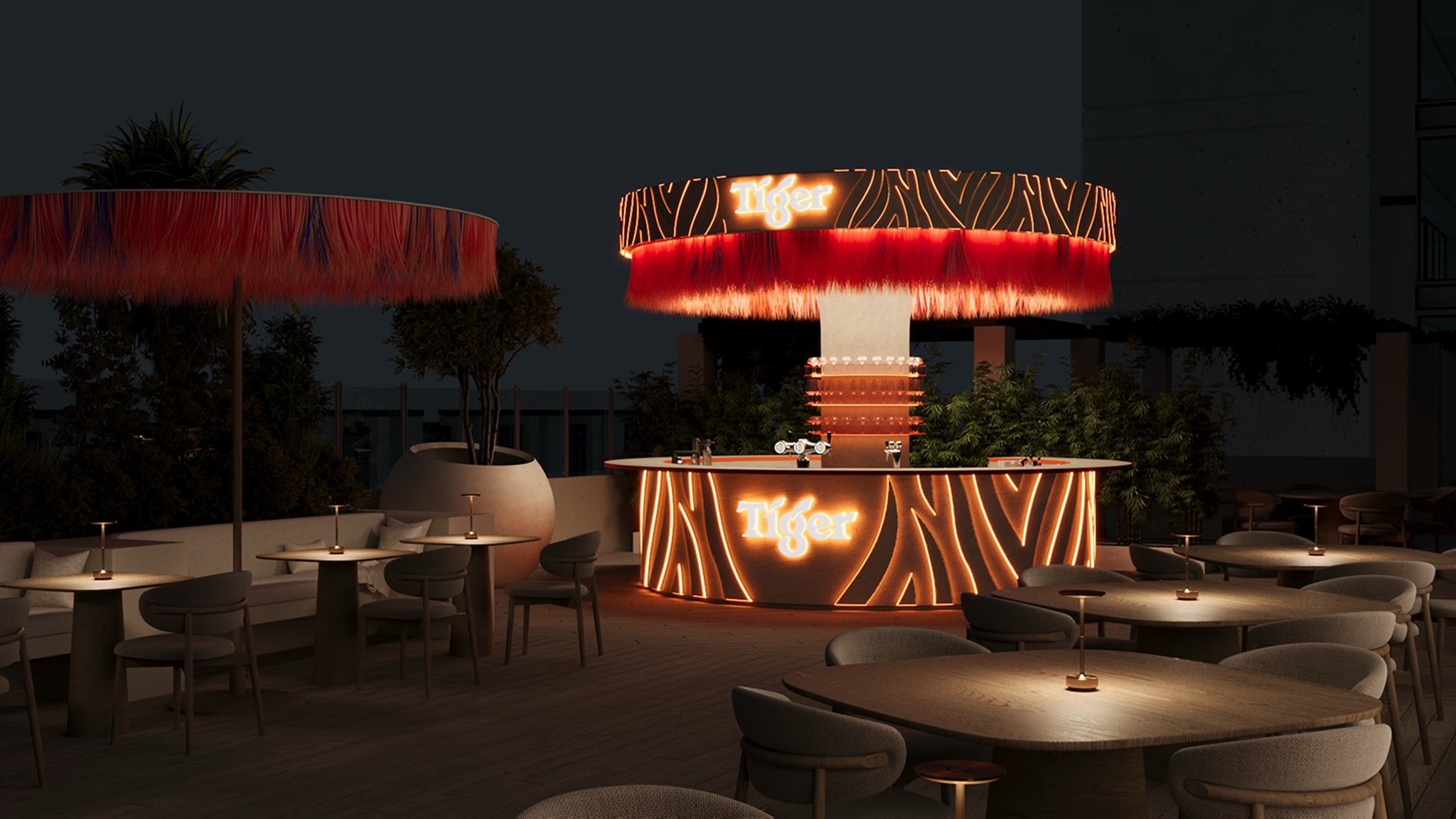
Designing space for premium brands is not about making it look expensive.
It’s about making it feel right.
A strong premium space:
respects the brand instead of overselling it
feels calm, intentional, and confident
works in real life, not only in visuals
leaves room for people, products, and silence
At Free World Agency, we approach space design for premium brands through clarity, restraint, and deep understanding of how physical environments shape perception and trust.
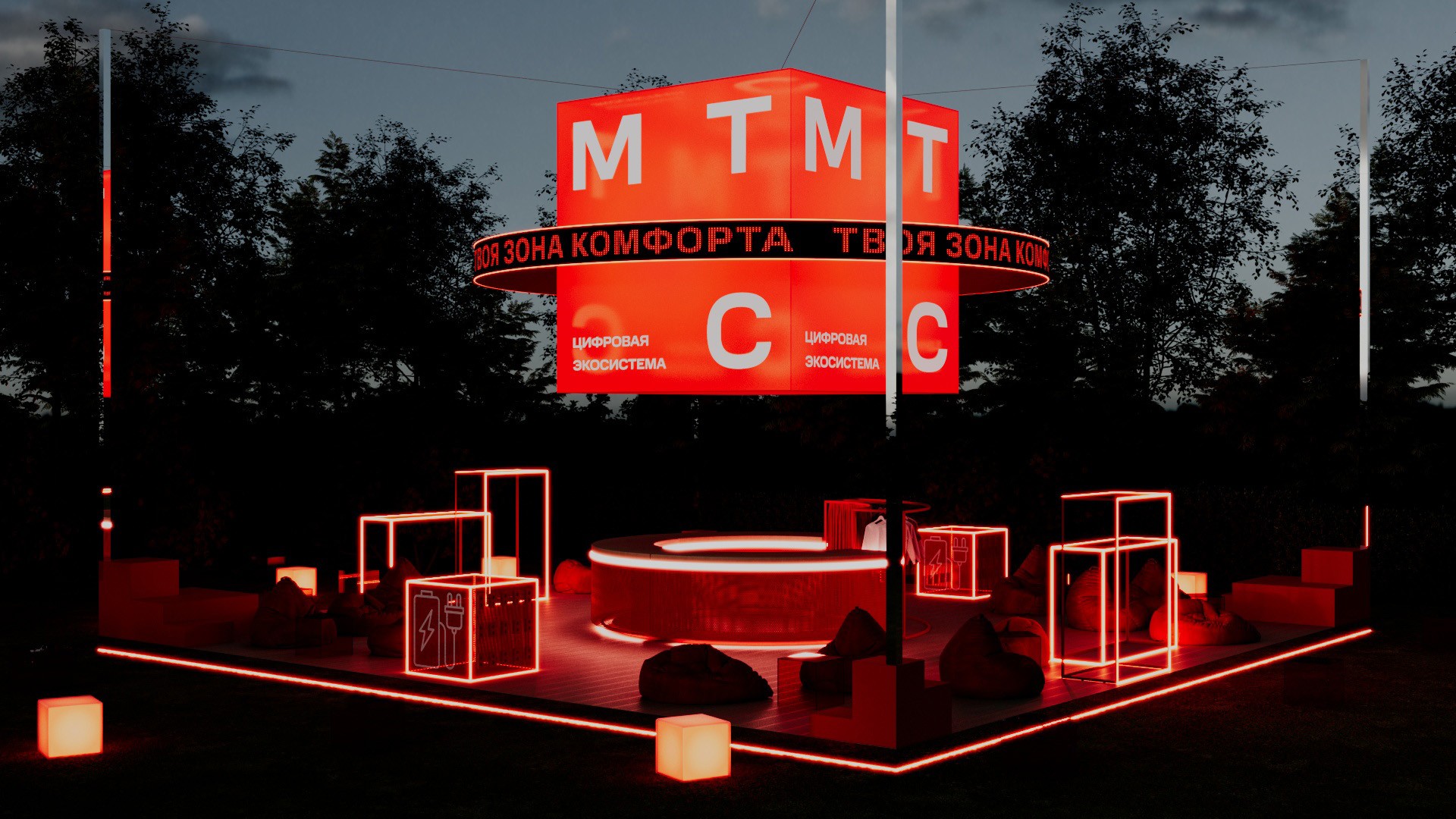
What “Premium” Means in Spatial Design
Premium is often misunderstood.
It’s not:
more materials
louder statements
complex forms
In space design, premium usually means the opposite:
fewer elements
clear hierarchy
thoughtful use of scale and emptiness
Premium brands don’t need to prove themselves.
Their spaces shouldn’t either.
Our Starting Point: Understanding the Brand Beyond the Surface
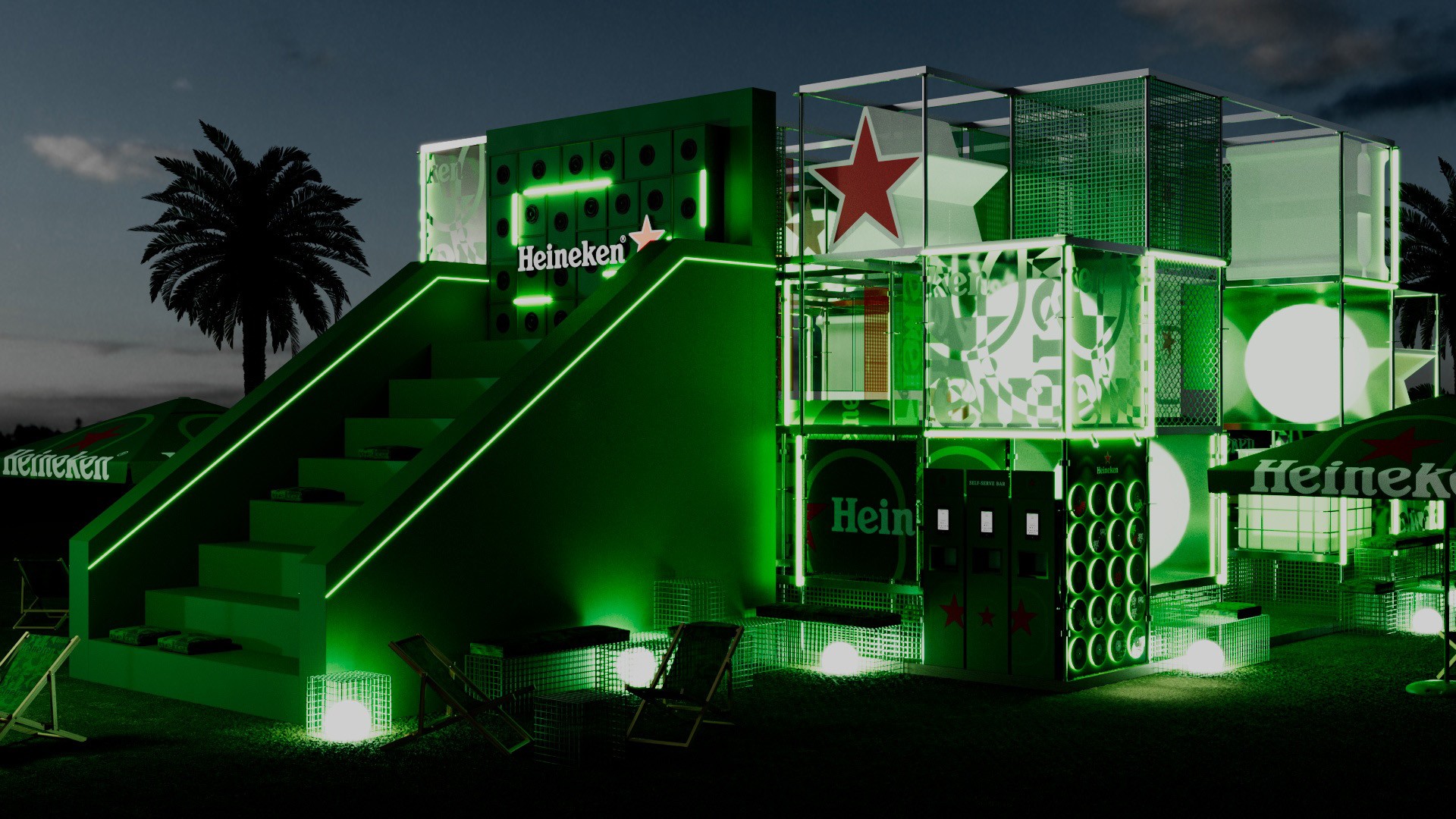
Before sketching anything, we try to understand:
what the brand stands for
what it avoids
how it wants to be perceived — and how it actually is perceived
Premium brands often have long histories, strong identities, or clear philosophies.
Our role is not to decorate them, but to translate those values into space.
If a brand is confident, the space should feel calm.
If it’s precise, the space should be precise.
If it values craftsmanship, materials must speak for themselves.
Designing for Perception, Not Attention
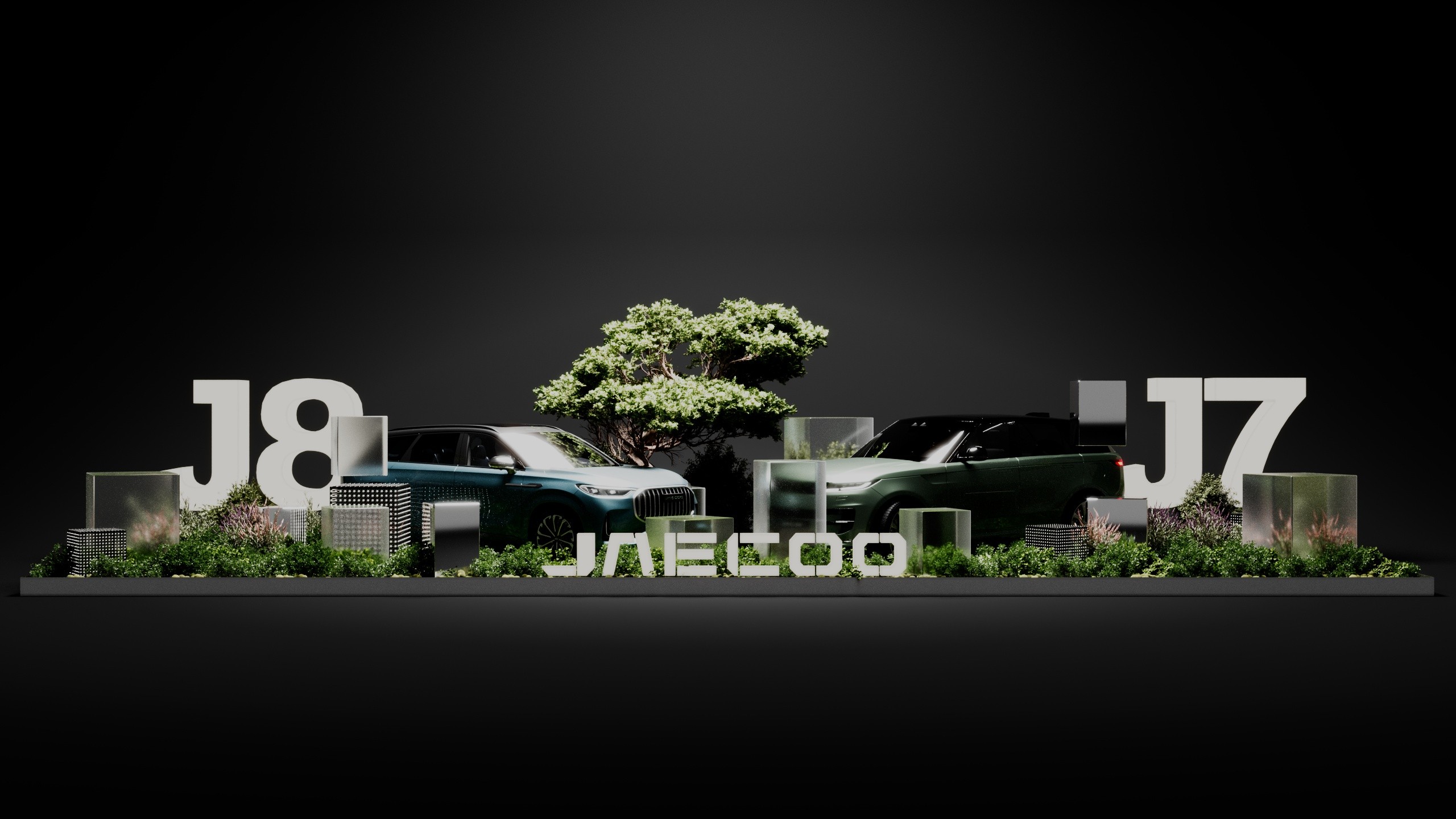
One of the biggest mistakes in premium space design is chasing attention.
Premium spaces don’t need to shout.
They don’t need tricks.
They don’t need to explain themselves.
We focus on:
proportion
rhythm
transitions
how a space unfolds as you move through it
Good space design works quietly.
You feel it before you notice it.
Space as a Frame, Not the Main Character
For premium brands, space should support, not dominate.
Whether it’s a retail store, pop-up, showroom, or brand installation, the space is a frame:
for the product
for the story
for the person inside it
At Free World Agency, we often remove more than we add.
Because the strongest statements usually come from what’s left out.
Materials: Honest, Restrained, Purposeful
Premium does not mean rare for the sake of being rare.
We choose materials based on:
how they age
how they feel to the touch
how they behave under light
how they’re produced and assembled
A premium space should feel consistent up close — not only from afar.
If something looks good only in renderings, it doesn’t belong.
Light, Scale, and Silence
In premium spatial design, light is often more important than form.
We think carefully about:
where light comes from
what it reveals
what it leaves in shadow
Scale matters just as much.
So does silence — visual and spatial.
Not every surface needs to speak.
Not every moment needs emphasis.
Designing for Real People, Not Ideal Scenarios
Premium brands attract people who are sensitive to detail.
They notice discomfort.
They feel inconsistency.
That’s why we design spaces that:
are easy to navigate
feel natural to enter and move through
don’t rely on instructions or explanations
A premium experience should feel effortless.
Production Reality Is Part of the Design
A premium concept that fails in execution stops being premium.
Because of our experience with temporary spaces, pop-ups, and complex brand environments, we design with:
real materials
real budgets
real installation constraints
Craft is not just about design — it’s about how something is built, assembled, and finished.
Restraint as a Design Tool
One of the hardest skills in premium space design is knowing when to stop.
Restraint:
protects the brand
creates longevity
allows flexibility
We’d rather deliver a space that still feels right in five years than one that looks impressive for five weeks.
Our Perspective
At Free World Agency, space design for premium brands comes from:
experience across brand activations, retail, and exhibitions
understanding how physical environments influence trust
respect for brands that don’t need exaggeration
Premium spaces don’t try to impress everyone.
They connect deeply with the right people.
Final Thoughts
How we approach space design for premium brands is simple in principle — and demanding in practice.
We aim to create spaces that:
feel intentional
age well
support the brand instead of competing with it
Because in premium environments, what people remember is not how much they saw —
but how the space made them feel.