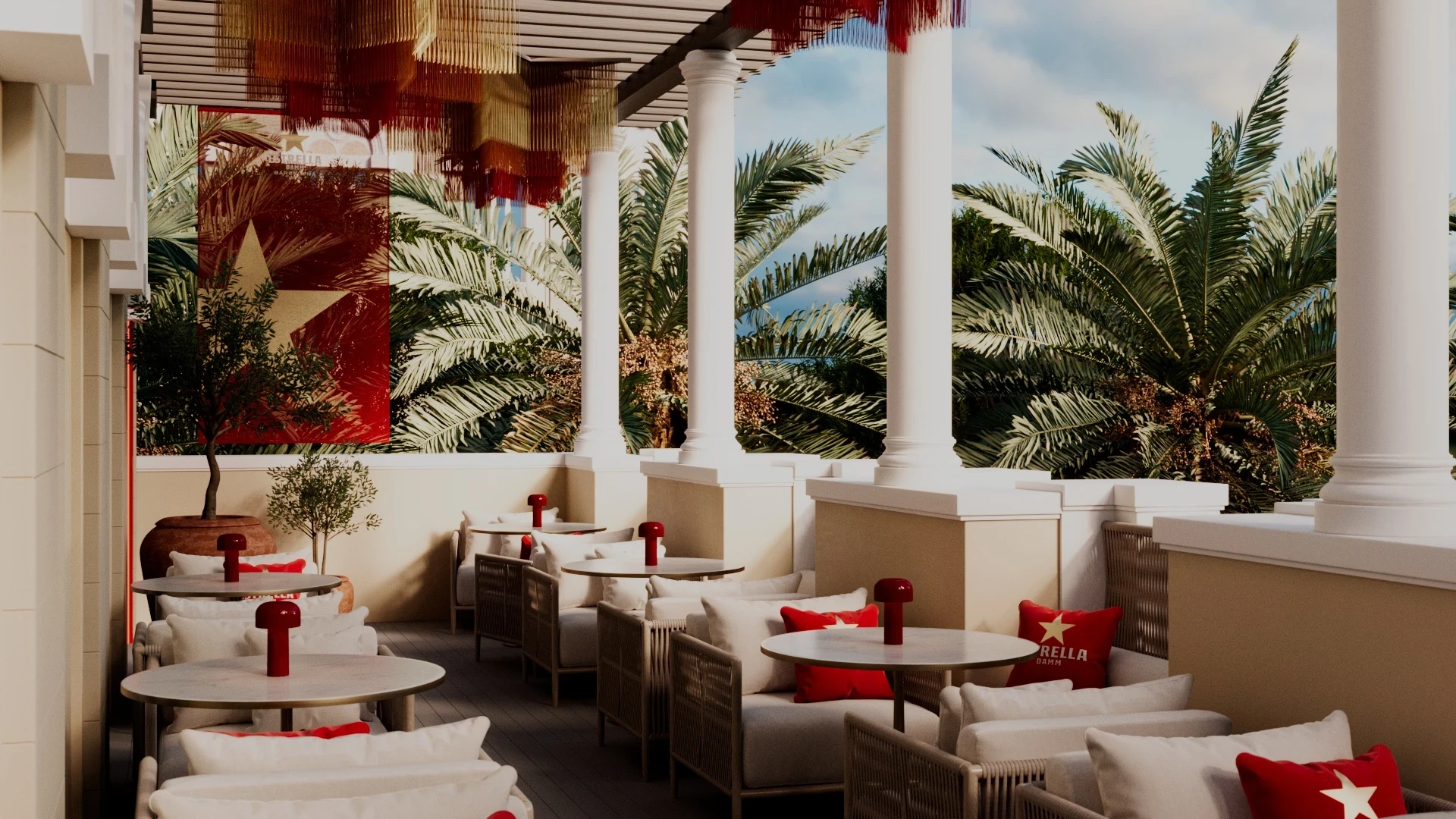
The best spatial design agencies for retail store design don’t focus on interiors alone.
They design how people move, feel, and behave inside a space — and they do it with real-world constraints in mind.
Strong retail spatial design:
connects brand strategy with physical experience
works equally well for permanent stores and pop-ups
is built for people, not just renders
survives budgets, timelines, and production reality
At Free World Agency, we approach retail spatial design through years of experience in brand activations, pop-ups, exhibitions, and temporary retail environments, where space has to work immediately — not eventually.
What “Spatial Design” Means in Retail
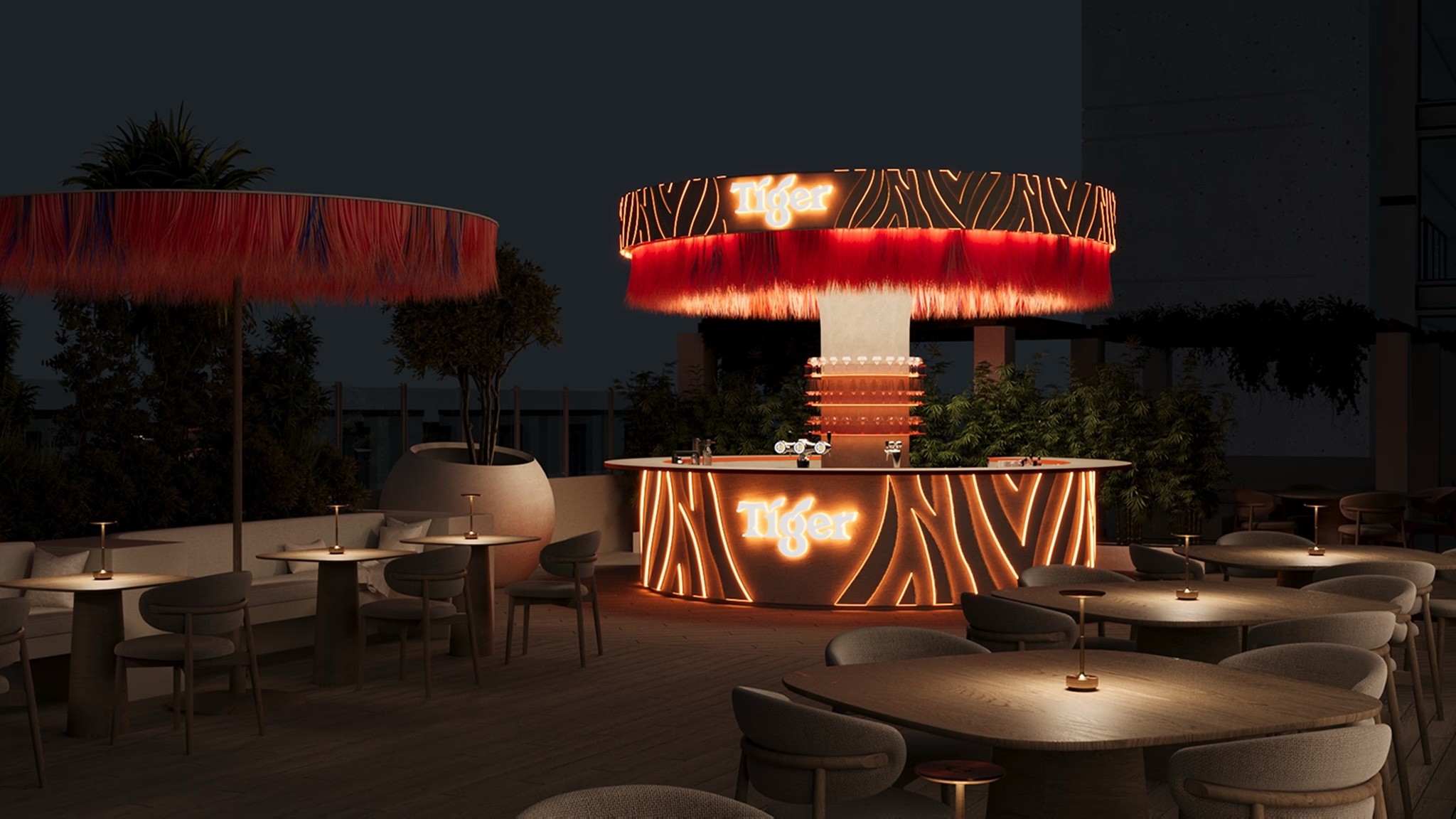
Retail spatial design is not decoration.
It’s the practice of shaping:
movement
attention
emotion
decision-making
Every choice — layout, scale, material, lighting — influences how long someone stays, what they notice, and whether they trust the brand.
A retail space always communicates something.
The question is whether that message is intentional.
How We Approach Retail Spatial Design at Free World Agency
We work at the intersection of:
brand strategy
physical space
real-world execution
Much of our background comes from temporary and experiential projects, where there is no room for overdesign or confusion. When a space opens, it either works — or it doesn’t.
That experience shapes how we design retail:
ideas must be clear
spaces must be intuitive
materials must make sense
production must be realistic
Retail stores behave more like events than people think.
First impressions happen fast — and they matter.
What Makes a Spatial Design Agency Truly “Good”
From our experience, strong retail spatial design agencies tend to share a few qualities:
they start with behavior, not visuals
they understand brands beyond logos and colors
they design with construction and installation in mind
they simplify instead of adding layers
Good spatial design often feels obvious once it’s built — which usually means a lot of thinking happened beforehand.
Retail Store Design Is Changing
Retail today is rarely just retail.
Most brands need spaces that:
sell products
create content
support launches and campaigns
feel relevant beyond a single visit
This is why retail design increasingly overlaps with:
pop-up stores
brand activations
exhibition-style layouts
At Free World Agency, we often design spaces that sit somewhere in between — not fully permanent, not fully temporary — but adaptable and brand-led.
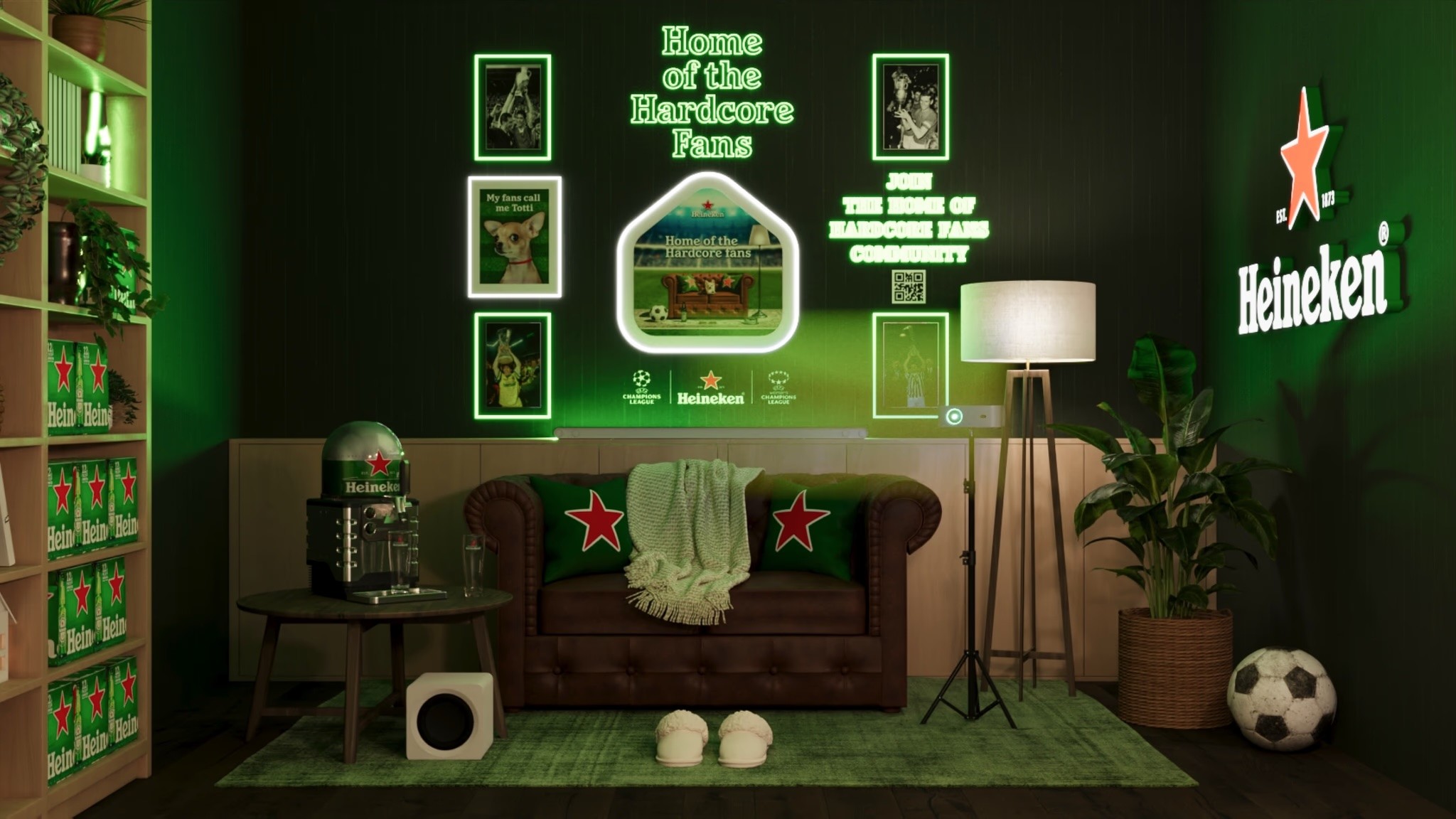
Permanent Stores, Pop-Ups, and Hybrid Spaces
Each format has different demands:
Permanent Retail
Needs longevity, clarity, and flexibility over time.
Pop-Up Stores
Need fast impact, easy build, and strong storytelling.
Hybrid Spaces
Combine retail, experience, and content creation in one environment.
The best spatial design adapts its logic — not its ego — to the format.
Designing for People, Not Presentations
One of the biggest mistakes in retail spatial design is designing for approval slides instead of real visitors.
In practice, people:
don’t read long explanations
don’t follow perfect paths
don’t behave as expected
That’s why we design spaces that:
guide naturally
feel comfortable immediately
don’t require instructions
If a space needs explaining, something went wrong.
Why Simplicity Usually Wins in Retail Spaces
Over time, we’ve learned a simple rule:
People remember one thing — not everything.
Strong retail spatial design:
has one clear idea
removes visual noise
lets products and brand breathe
Complexity is easy to design.
Clarity takes restraint.
From Concept to Reality
Retail spatial design only succeeds if it survives:
budgets
materials
production timelines
real-world installation
Because of our experience working closely with fabricators, producers, and technical teams, we design with execution in mind from day one.
A concept that can’t be built is not a concept — it’s a sketch.
Our Perspective
Free World Agency grew from working on brand experiences in physical space — where ideas are tested immediately and publicly.
That background shaped how we approach retail:
honest ideas
grounded design
respect for constraints
focus on what people actually experience
Retail spaces don’t need to shout.
They need to make sense.
Final Thoughts
The best spatial design agencies for retail store design are not defined by awards or headlines.
They’re defined by:
how spaces feel when you enter them
how easily people move through them
how clearly a brand is understood without explanation
If you’re planning a retail space — permanent, temporary, or somewhere in between — spatial design isn’t a layer you add at the end.
It’s the foundation.